
Knowing when to redo your concrete driving surfaces, such as driveways or parking lots, involves looking for certain signs of deterioration. Concrete can last a long time, but over time, wear and tear from weather, traffic, and age can take its toll. Here are the key signs that it might be time to replace or resurface your concrete:
1. Cracking
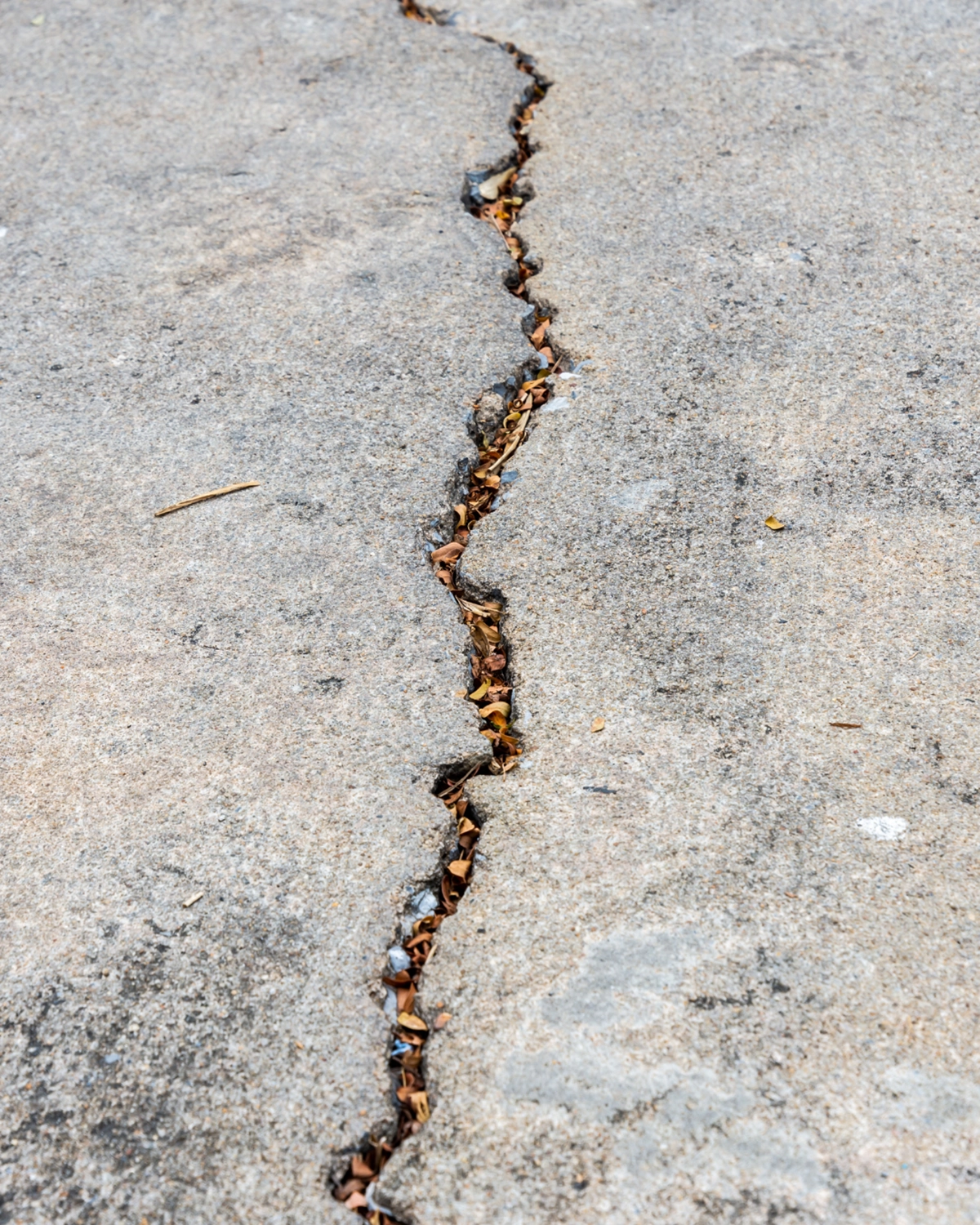
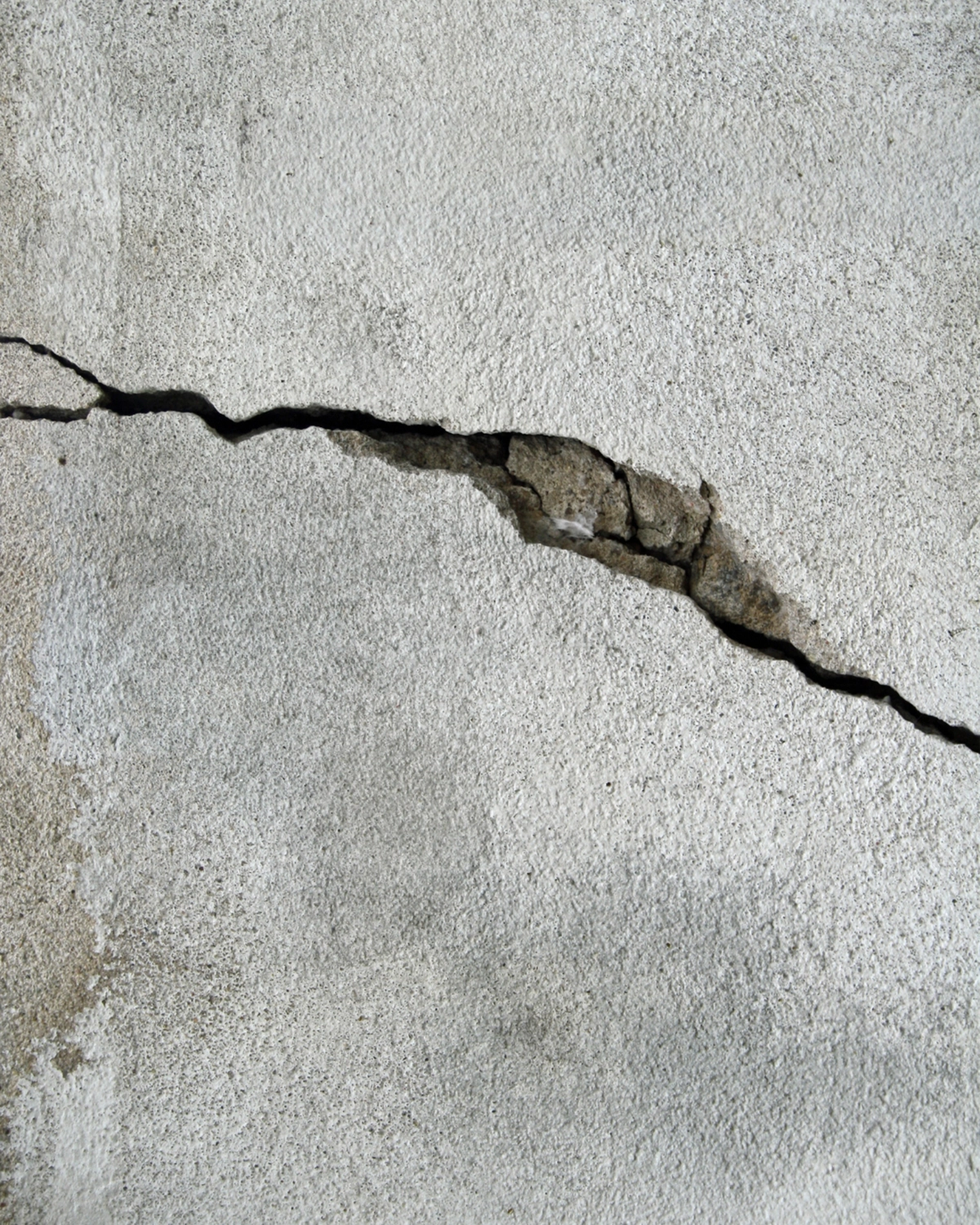
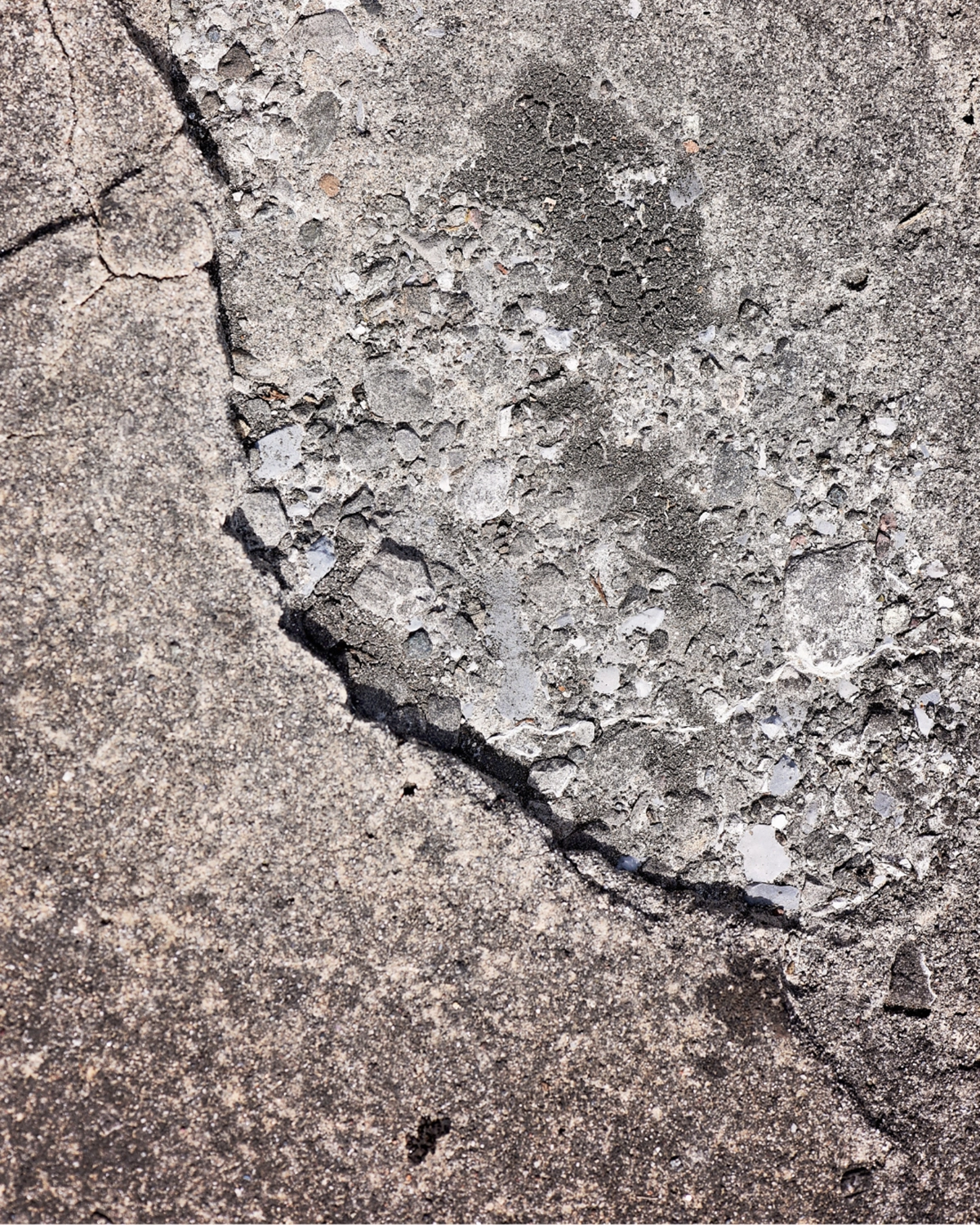
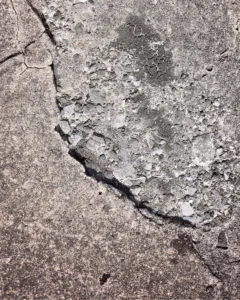
- Small Cracks: Hairline cracks are normal and can often be sealed with simple crack filling. However, larger cracks, especially if they are deep, wide, or growing over time, are signs that the concrete is weakening. Large cracks can compromise the integrity of the surface and may require full replacement or resurfacing.
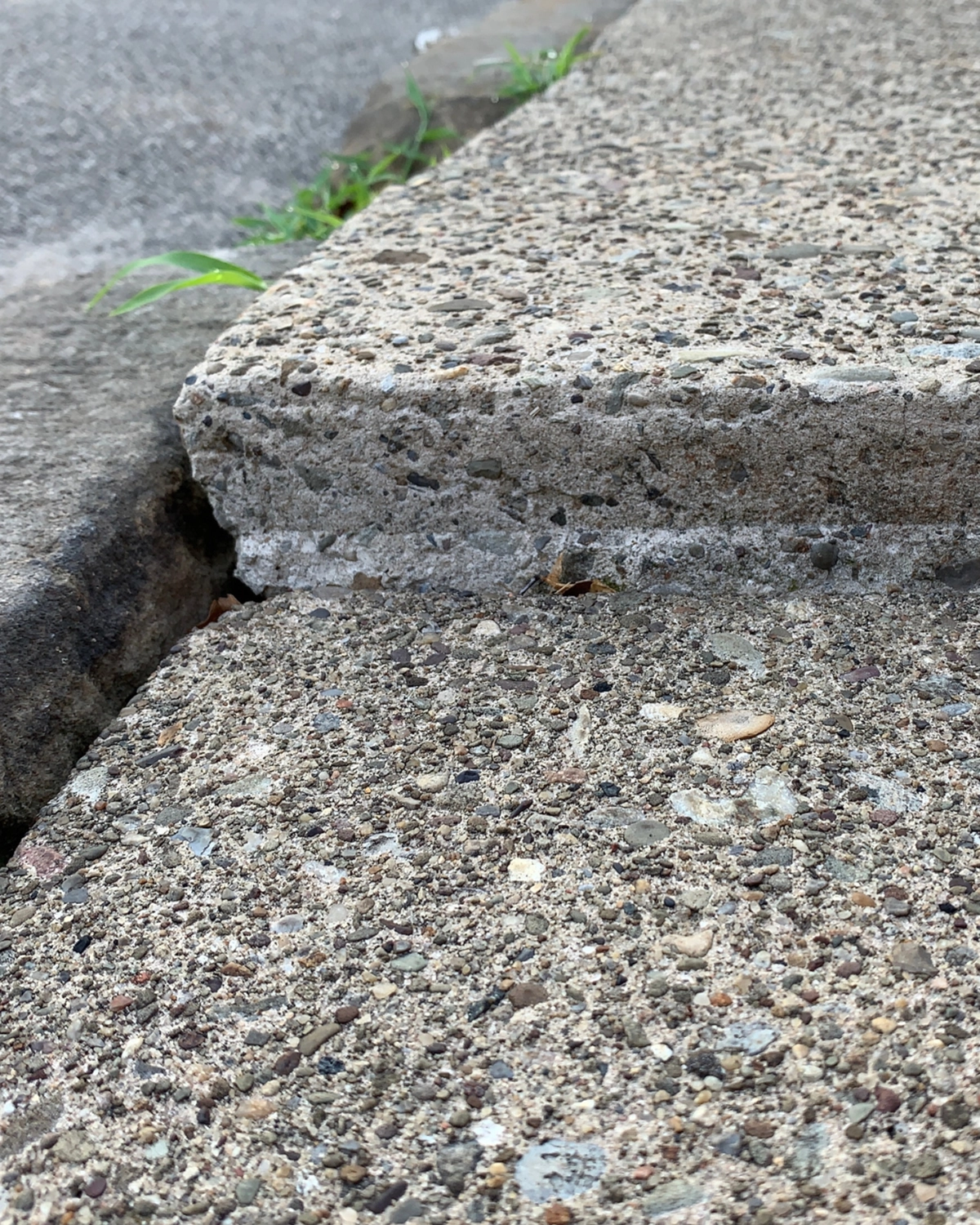
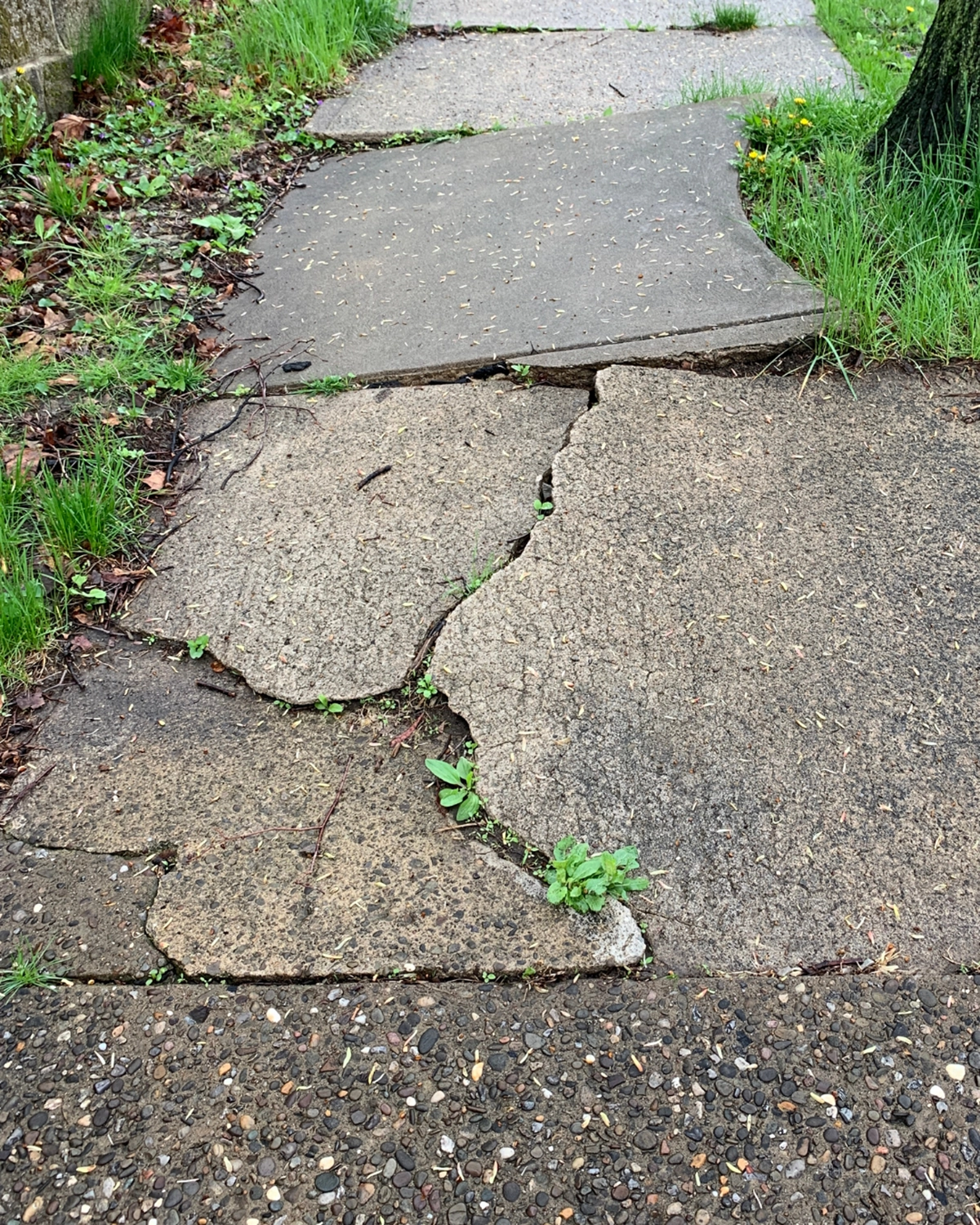
- Crack Widening or Shifting: If cracks are widening or shifting (such as creating uneven surfaces), it’s a sign that the underlying foundation is settling or damaged.
2. Chipping or Spalling
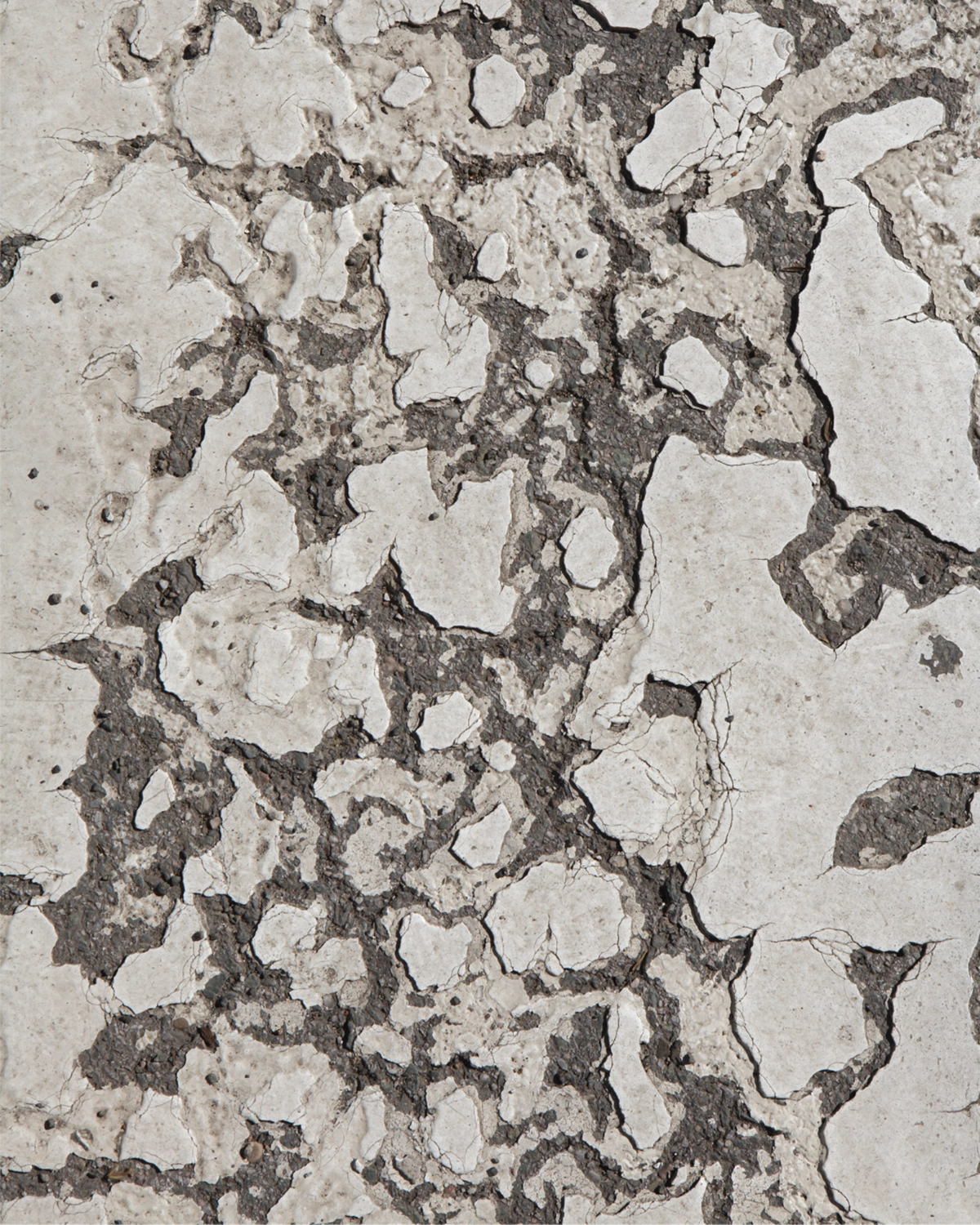
- Spalling occurs when the concrete surface starts to flake, peel, or crumble, often due to exposure to moisture, freeze-thaw cycles, or de-icing salts. If the damage is widespread or severe, it may indicate the need for replacement. Minor spalling can sometimes be repaired with resurfacing or patching, but larger areas of damage often require a full redo.
3. Uneven or Sunken Areas
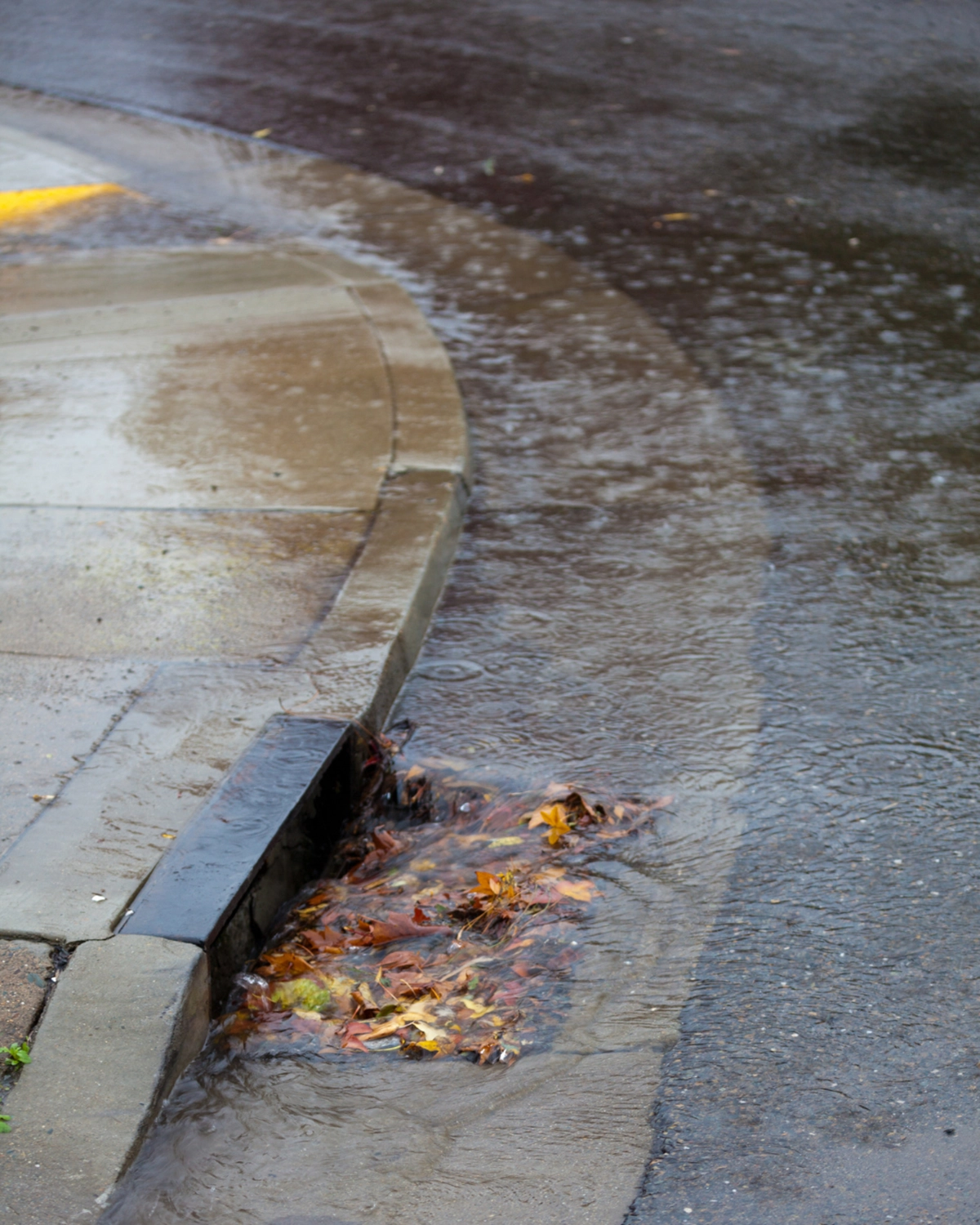
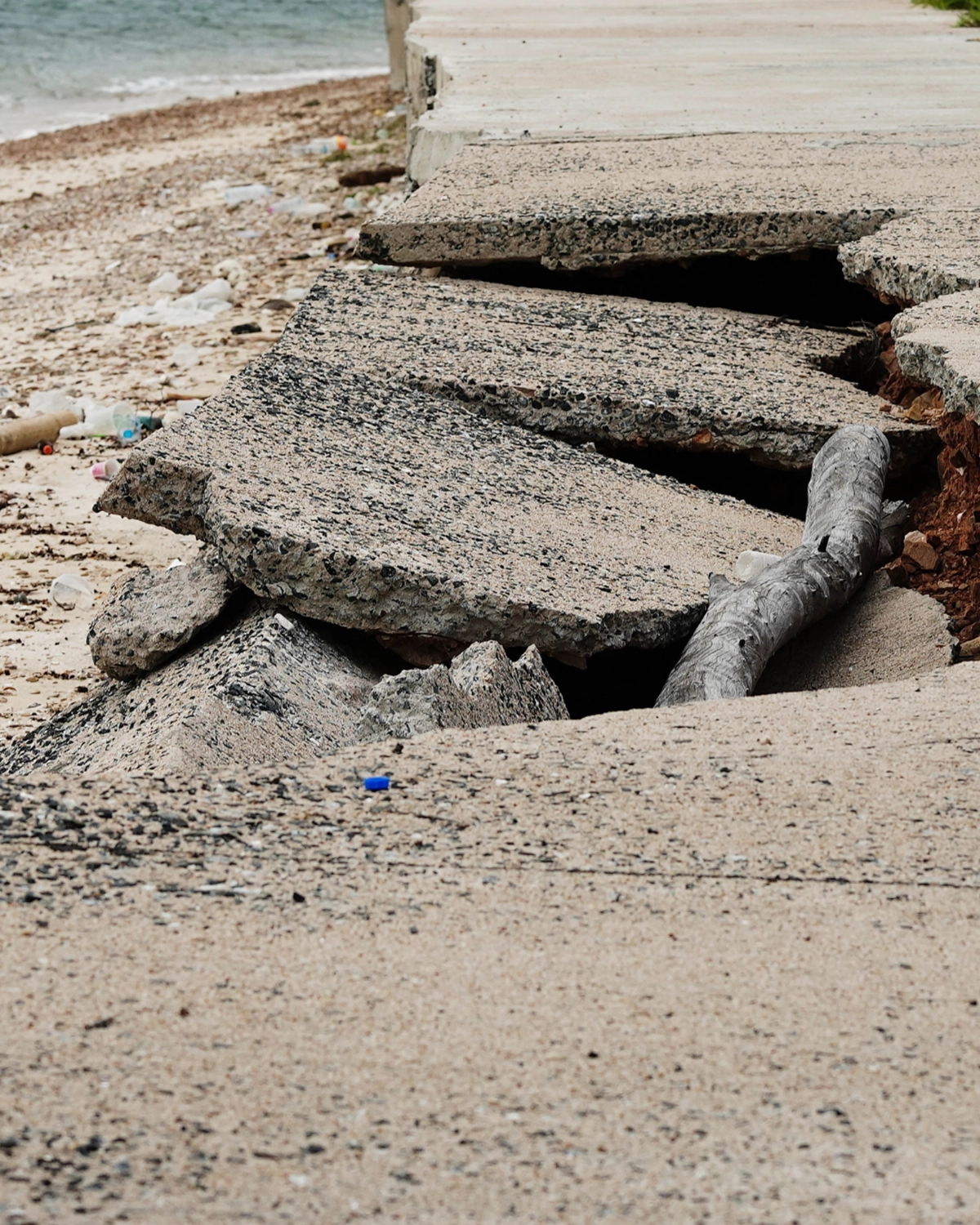
- Settling and Unevenness: Over time, the ground underneath concrete can shift or settle, leading to areas where the concrete has sunk or become uneven. These low spots can trap water, which may cause further damage or pooling. If the unevenness is widespread and significant, it’s likely time for concrete replacement or major leveling.
- Driveway Ruts: Deep ruts or depressions, especially in areas with heavy vehicle traffic, may suggest that the concrete has become structurally compromised.
4. Water Pooling
- Heavy Traffic: Asphalt subjected to heavy traffic or vehicles with a lot of weight (like trucks or construction vehicles) may require sealcoating more frequently due to the increased wear.
- Oil Spills or Stains: Frequent oil or gas spills can break down the asphalt. If your driveway or parking lot has many spills, sealcoating can help protect it from further damage.
5. Discoloration and Staining
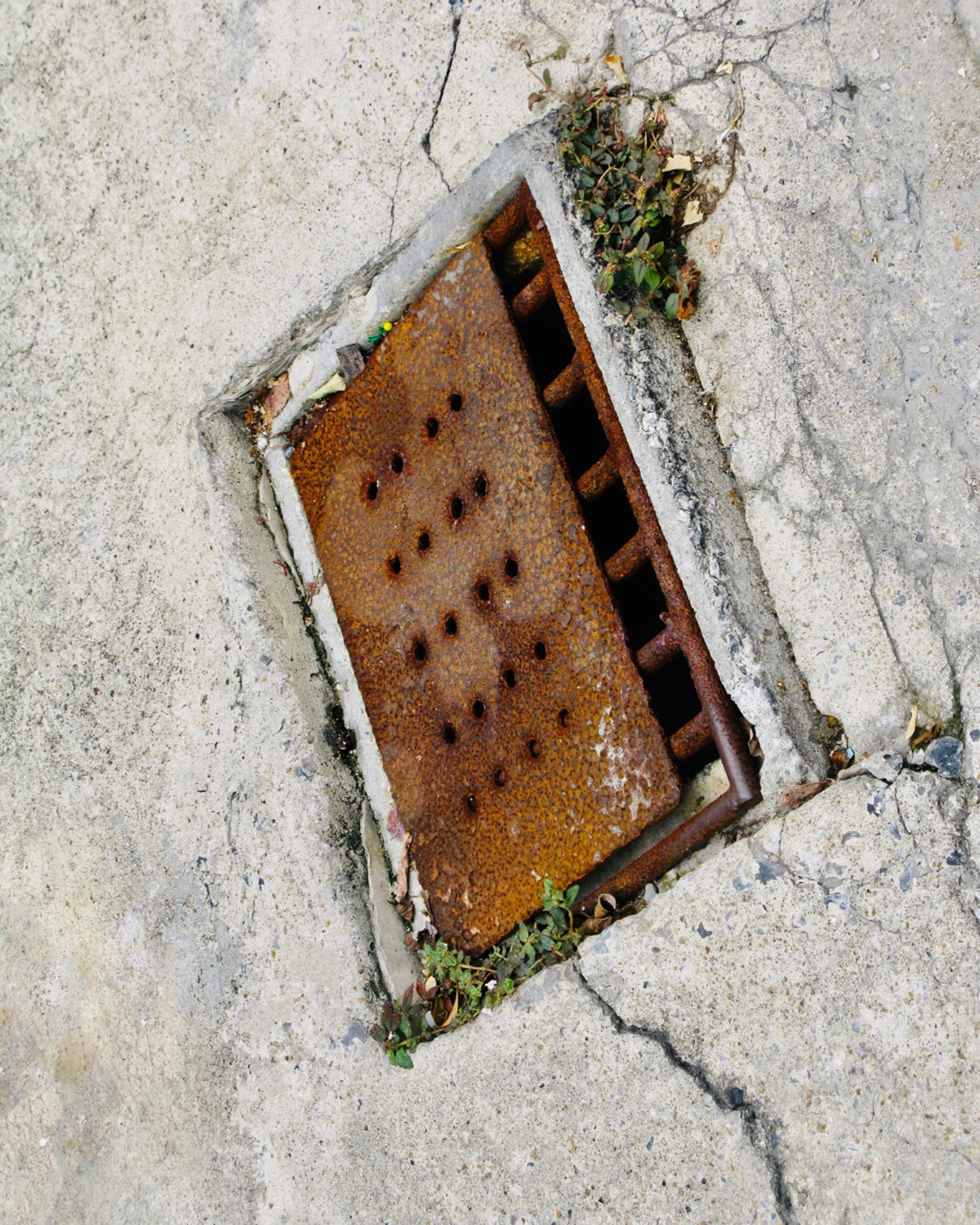
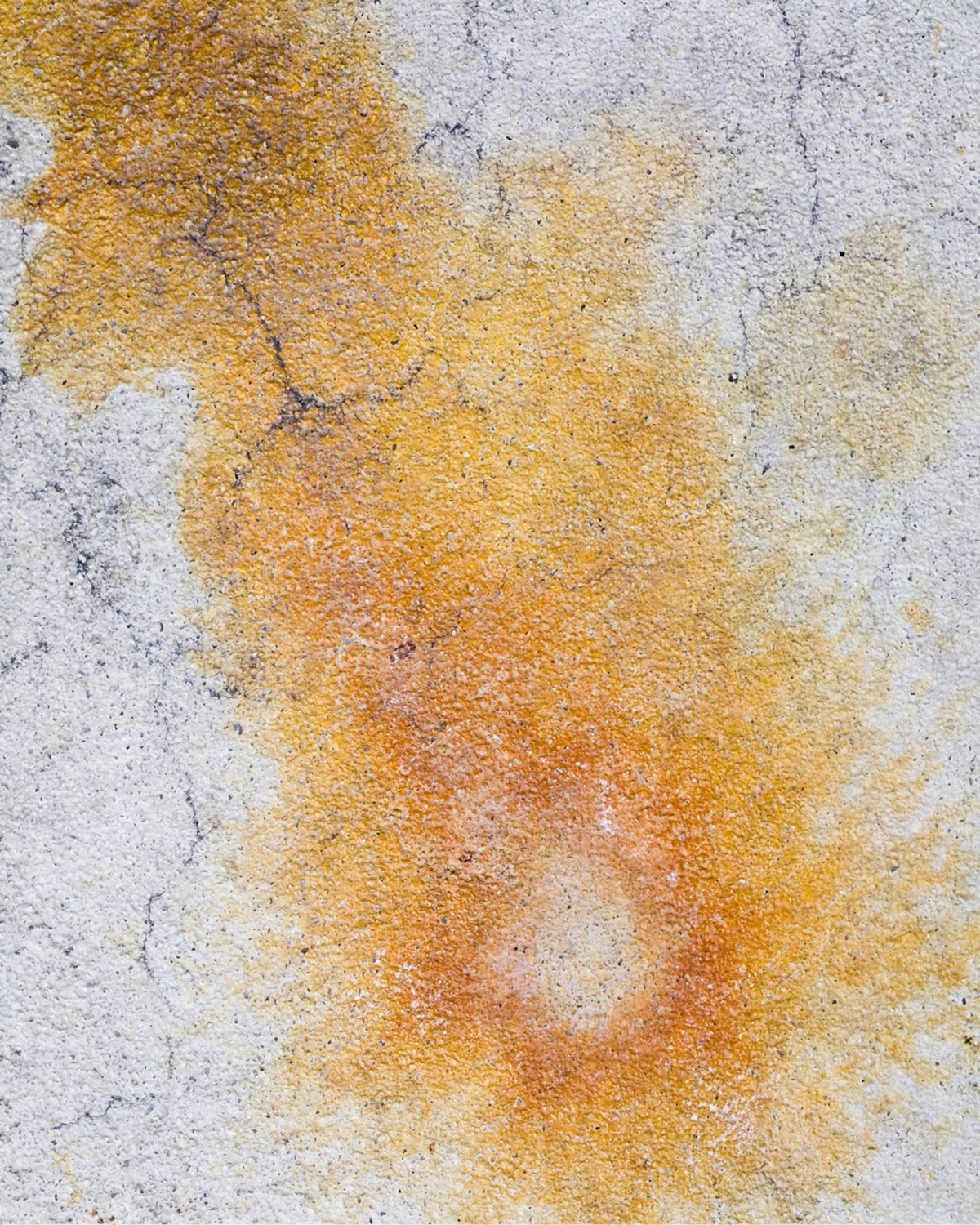
- Severe Stains: While minor stains can be cleaned, severe staining from oil, chemicals, or rust can be a sign that the concrete is breaking down. If the stains are widespread and don’t respond to cleaning, it could be time to redo the surface, as these stains can weaken the concrete.
- Fading or Bleaching: If the concrete has faded significantly in large areas due to UV exposure or weathering, this may indicate wear and tear that requires replacement or resurfacing.
6. Excessive Cracking from Freeze-Thaw Damage
- In areas with cold climates, freeze-thaw cycles (when moisture freezes and expands in the concrete) can cause cracks and surface damage. If the concrete has been subjected to many freeze-thaw cycles and is starting to fail (i.e., cracks appear in multiple places or are getting worse), it may be time to replace it.
7. Loose Concrete Sections or "Popping"
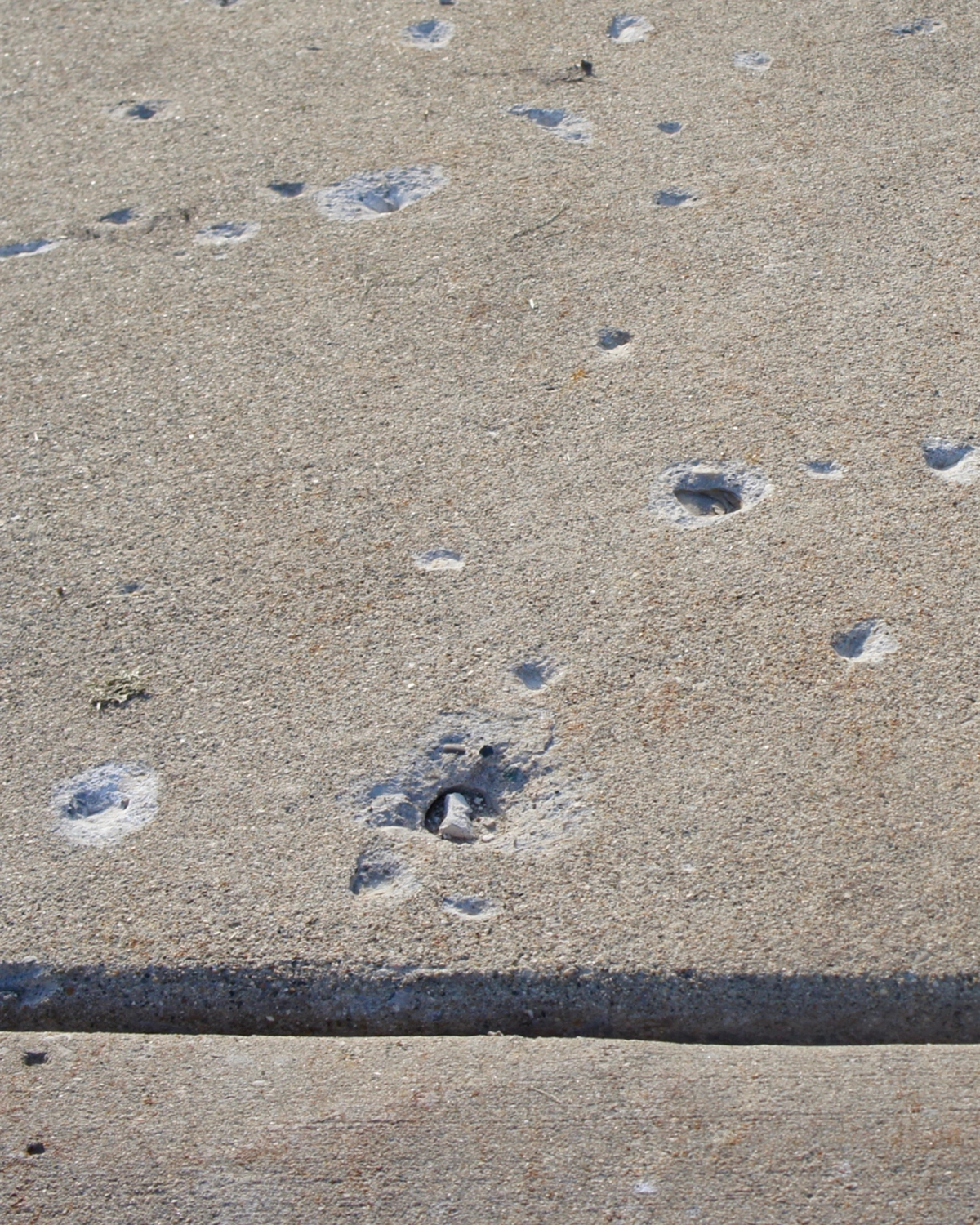
- Popping or Loose Pieces: If pieces of concrete are coming loose or if the surface is pitted or has sections that are “popping” out of place, this is a sign that the concrete is deteriorating structurally. These issues are often too significant to repair with patching alone and may require full replacement.
8. Excessive Repair Costs
- If you’ve had to repair or patch your concrete surface frequently, it may be more cost-effective to replace it entirely. Frequent repairs may also signal that the concrete is beyond simple fixes and is nearing the end of its lifespan.
9. Concrete Age
- Concrete typically lasts between 20 to 30 years depending on factors like traffic, maintenance, and weather. If your concrete is approaching or surpassing this age and is showing significant wear and damage, it may be time to redo the surface.
10. Visible Damage to the Subbase
- If the subbase (the layer beneath the concrete) is shifting or eroding, it will affect the concrete surface itself. This can be difficult to see without professional help, but noticeable shifting or cracking that isn’t just on the surface can indicate that the foundation is compromised and a full replacement is necessary.
What Can Be Done Instead of Full Replacement?
If you’re noticing some of the signs above but don’t want to completely redo your concrete, here are some options:
- Resurfacing: If the concrete is generally in good shape but has minor surface damage, you can consider resurfacing to improve its appearance and extend its lifespan.
- Concrete Patching: For smaller cracks or holes, patching can provide a temporary solution to prevent further damage.
- Slab Jacking or Mudjacking: For sunken or uneven concrete, this process involves injecting a material underneath the slab to lift and level it.
Ultimately, determining whether to replace your concrete depends on the severity of the damage. If the issues are localized and minor, resurfacing or patching can be a good solution. However, if the damage is widespread and structural, it’s usually best to redo the surface entirely. Regular maintenance and timely repairs can extend the lifespan of your concrete, reducing the need for full replacement.