What are the signs of a parking lot drainage problem?
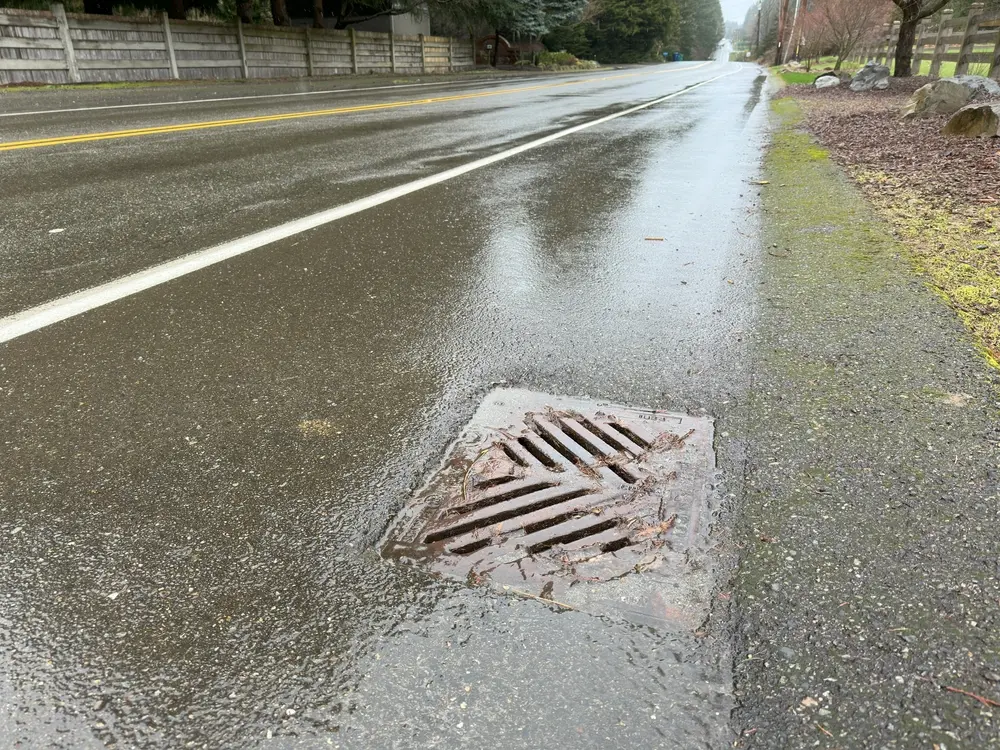
Common warning signs include water repeatedly pooling in the same area, residual sediment or debris, increasing cracks and potholes, water collecting around drains, and deterioration near manholes or catch basins.
What types of parking lot drains does PLM install?
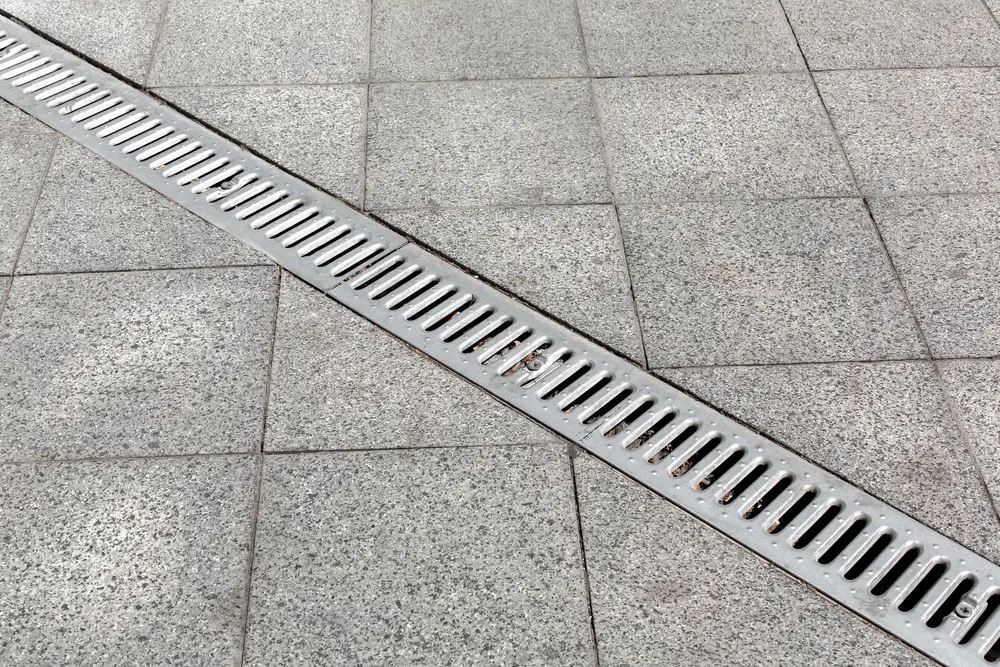
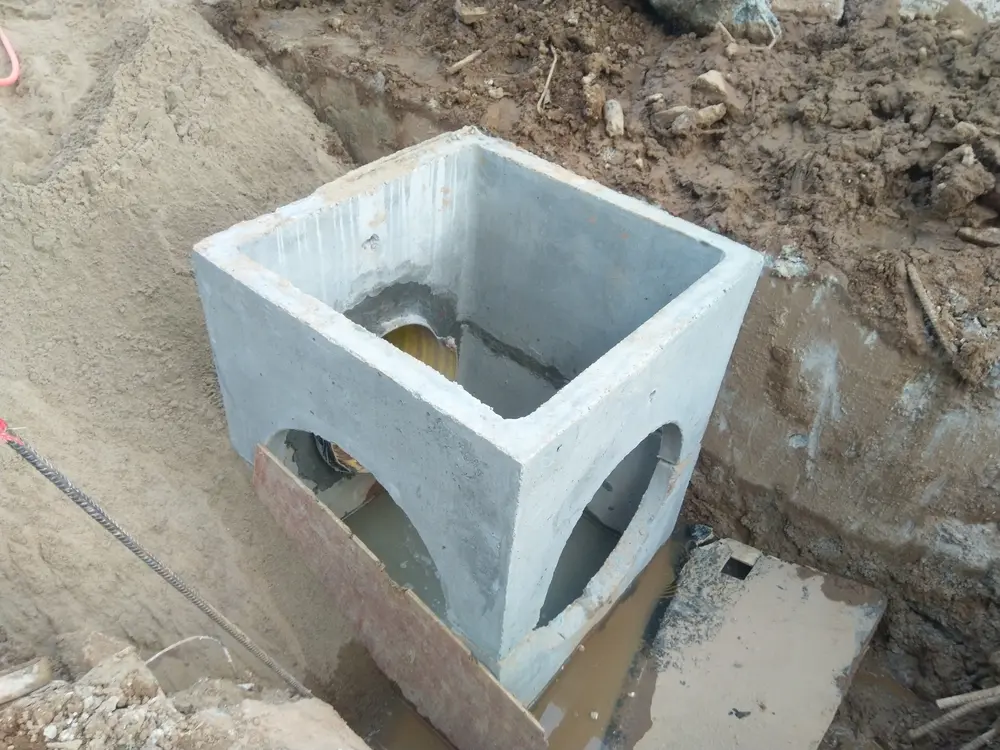
PLM installs catch basins, French drains, trench drains, and concrete-encased drainage basins. The right system depends on factors such as water volume, traffic levels, property layout, and where runoff collects.
What does the parking lot drainage installation process involve?
PLM begins by evaluating water movement, grading, soil conditions, and existing utilities. The installation process then includes excavation, drainage or utility line installation, secure backfilling, and pavement restoration using asphalt or concrete.
How can poor drainage damage a parking lot?
Poor drainage can cause flooding, erosion, cracks, potholes, and structural pavement damage. Water can also enter pavement cracks and expand during Wisconsin’s freeze-thaw cycles, accelerating deterioration.
Where are trench drains commonly installed?
Trench drains are commonly installed in areas that experience heavy water flow, including drive lanes, loading zones, and locations near building entrances. Their grated channels collect and redirect water to reduce surface damage and slip hazards.
Does PLM subcontract its parking lot drainage work?
No. PLM uses self-performing crews rather than subcontractors for its parking lot drainage work, from initial design and installation through long-term maintenance.