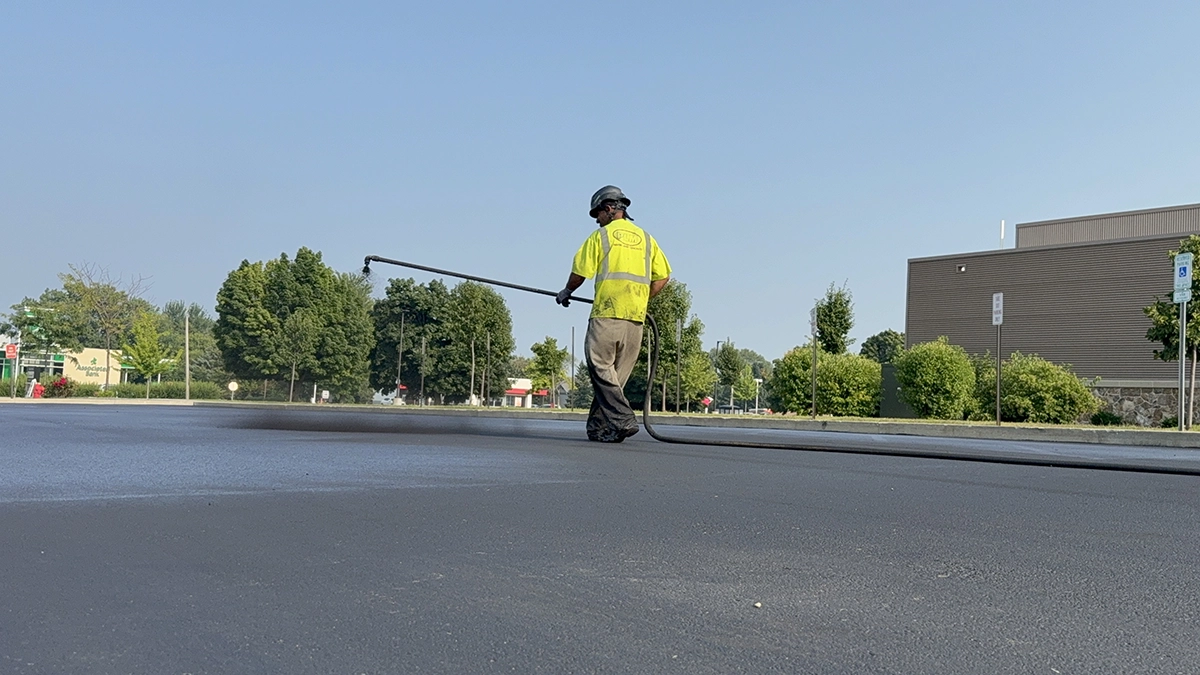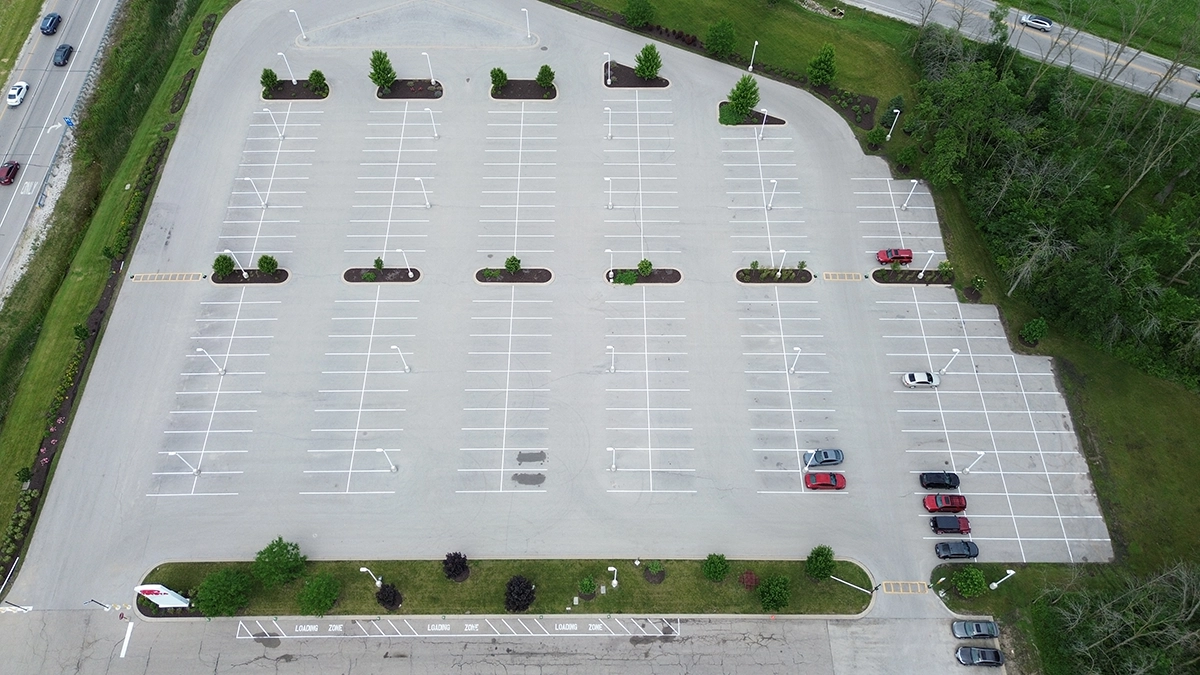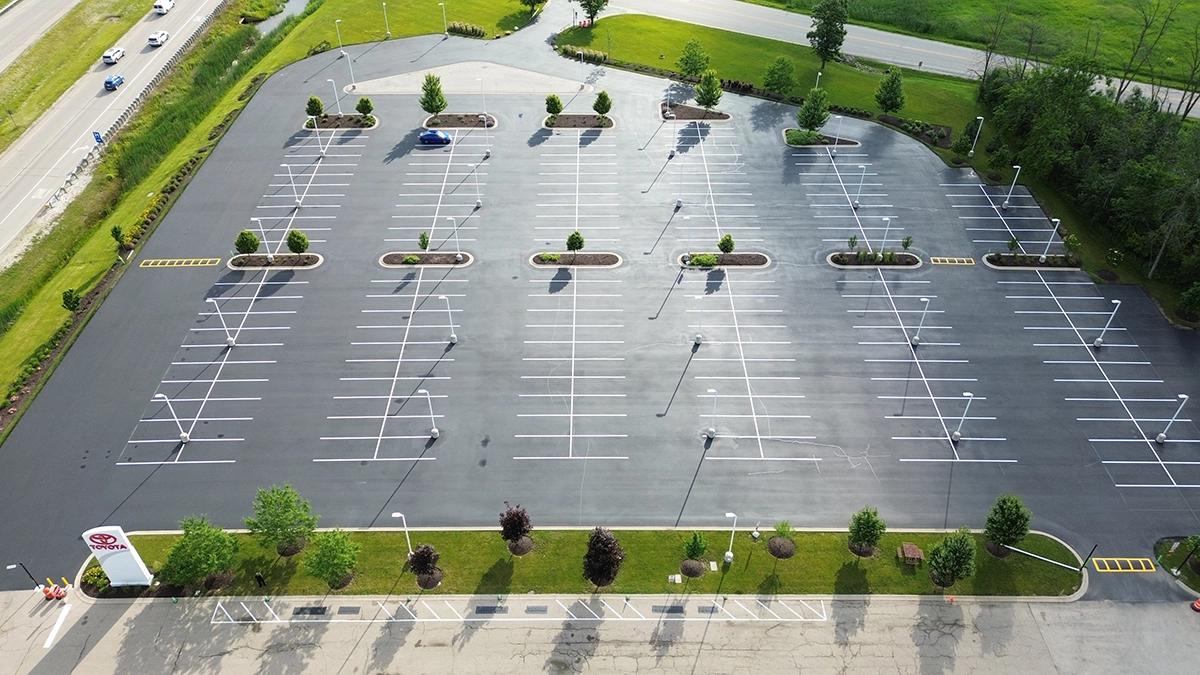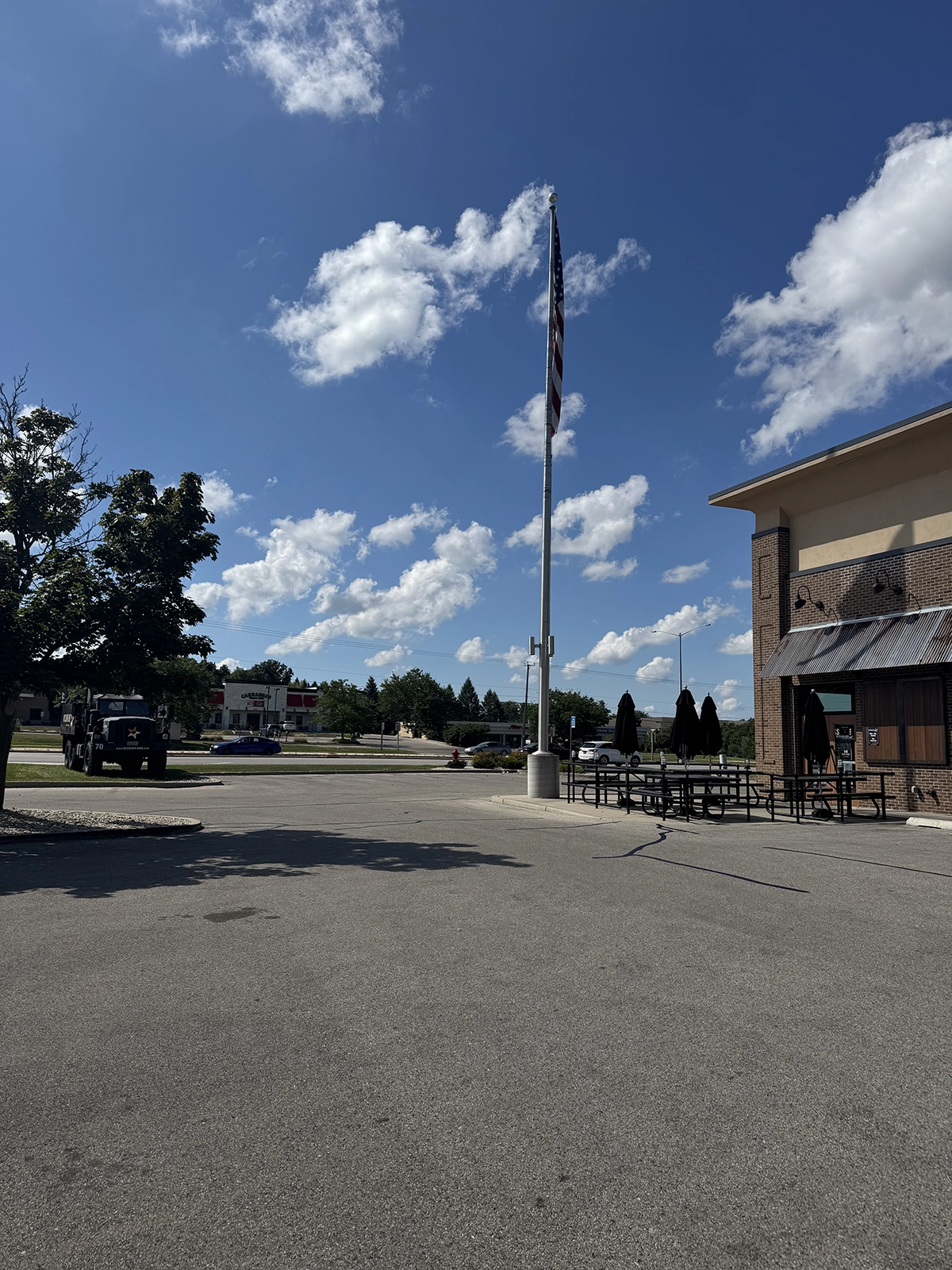

Determining when to apply sealcoating to your asphalt depends on several factors, such as the age of the pavement, climate conditions, and the amount of wear and tear the surface has endured. Here are some key signs and guidelines to help you decide when it’s time for sealcoating:
1. Age of the Asphalt
- General Rule: Asphalt typically needs its first sealcoating about 6 to 12 months after installation to help protect the surface and seal the pores of the asphalt.
- Subsequent Applications: After the initial sealcoating, asphalt should be resealed every 2-3 years, depending on conditions.
2. Visible Signs of Wear and Damage
- Fading or Loss of Color: Over time, exposure to the sun’s UV rays can cause asphalt to lose its deep black color and turn gray. If the surface starts to look faded or chalky, it’s an indication that sealcoating is needed to restore protection.
- Cracking: Small cracks are normal, but if the cracks become more noticeable or widespread, it’s a good idea to sealcoat. Sealcoating fills in smaller cracks, preventing water from seeping in and causing further damage.
- Raveling or Crumbling: If you notice loose gravel or surface degradation, this is a sign the asphalt is wearing down. Sealcoating can help lock the surface together and prevent further deterioration.
3. Climate and Weather Conditions
- High UV Exposure: Areas with intense sun exposure tend to cause the asphalt to deteriorate faster. If your region experiences extreme sun or temperature fluctuations, more frequent sealcoating may be necessary.
- Cold or Wet Climates: If your area sees a lot of rain, snow, or freezing conditions, your asphalt may need sealcoating more often to protect against water penetration and freeze-thaw cycles.
- Extreme Heat: In hot climates, asphalt can soften, leading to rutting or cracking. Sealcoating helps protect the surface from the damaging effects of heat.
4. Traffic and Usage
- Heavy Traffic: Asphalt subjected to heavy traffic or vehicles with a lot of weight (like trucks or construction vehicles) may require sealcoating more frequently due to the increased wear.
- Oil Spills or Stains: Frequent oil or gas spills can break down the asphalt. If your driveway or parking lot has many spills, sealcoating can help protect it from further damage.
5. Surface Texture
- Smooth vs. Rough: If the surface has become rough or has developed surface damage like small cracks, it’s time for sealcoating. A smooth surface helps the sealant adhere properly, creating a better protective layer.
6. Regular Inspections
- Routine Checks: It’s a good idea to inspect your asphalt regularly for signs of wear or damage. If you notice cracks, fading, or pooling water, that’s an indication that sealcoating is needed.
7. Weathering and Aging
- Asphalt will naturally degrade over time. If your asphalt surface is around 3 years old and has never been sealed, it’s likely time for its first sealcoating. If it has been longer than 3 years since the last application, it’s time to reseal.
Summary of Timing:
- First sealcoating: 6-12 months after installation.
- Subsequent sealcoating: Every 2-3 years, depending on the factors above.
- Signs to reseal: Fading, cracks, raveling, or noticeable surface damage.
Regular sealcoating will help protect your asphalt from the elements, reduce the need for repairs, and extend its lifespan. If you’re unsure, it’s always a good idea to consult with a professional to assess the condition of your asphalt and determine the best timing for sealcoating.