Concrete Installation at a Glance
- Installation process: Excavation, base preparation, forming, pouring, finishing, and curing all affect pavement life.
- Best time to pour: Concrete should generally be installed when temperatures stay between 40°F and 90°F.
- Typical cost: Varies by property type and the scope of work needed.
- Contractor matters: Choose a licensed, insured contractor who handles permits and follows industry best practices.
Concrete installation creates durable surfaces for homes and businesses, but long-term performance depends on proper planning from the start. In Wisconsin, freeze-thaw cycles make quality installation even more important.
PLM Paving & Concrete has completed residential and commercial concrete projects throughout southeastern Wisconsin for more than 60 years. Our team has firsthand experience with the region’s unique climate and site conditions. Here’s everything you need to know about the concrete installation process, project costs, and choosing the right contractor.
What Concrete Installation Covers
Concrete installation services include everything from residential driveways and commercial parking lots to warehouse floors, sidewalks, curbs, slabs, and sports courts. Residential projects are built for passenger-vehicle traffic, while commercial projects require heavier-duty designs to support higher traffic volumes and meet applicable codes.
Commercial Concrete Applications
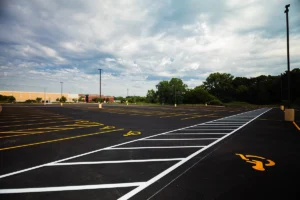
Commercial concrete installation supports heavier traffic, larger loads, and stricter building requirements. Common applications include:
- Parking lots
- Loading dock slabs
- Warehouse floors
- Curbs and gutters
- Athletic courts
- ADA-compliant ramps and sidewalks
The Concrete Installation Process Step by Step
The concrete installation process follows proven industry standards, but Wisconsin’s climate requires extra attention to base preparation, weather conditions, and curing. Here’s what to expect during a typical project.
Step 1 — Site Preparation and Excavation
Professional excavation and site preparation are the foundation of every successful concrete project. Residential driveways typically require 4–6 inches of compacted gravel over properly prepared soil, and contractors must remove any frozen or saturated material before pouring. Poor subgrade preparation causes many slab failures in Wisconsin.
Step 2 — Forming, Reinforcement, and Pour
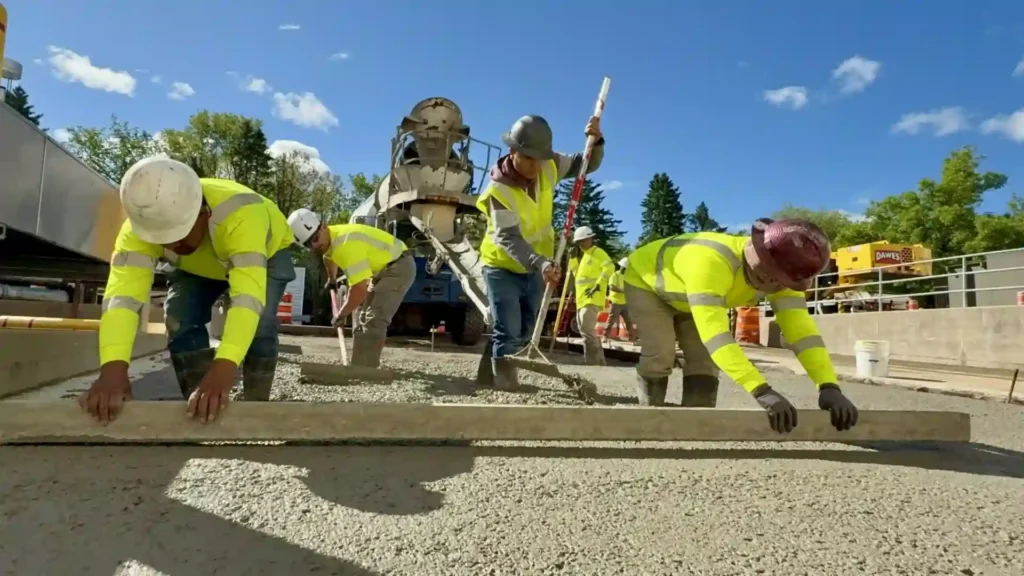
Crews set forms to establish the slab’s size and elevation, then place rebar or wire mesh where the project requires additional strength. After they pour and level the concrete, they monitor weather conditions closely. When temperatures are expected to fall below 40°F, reputable contractors either protect the concrete with cold-weather measures or delay the pour.
Step 3 — Finishing and Curing
Crews screed, float, and finish the concrete, then apply a broom finish to most driveways and walkways for better traction. Proper curing allows the concrete to gain strength over time. Vehicles must stay off the surface for at least 7 days and up to about 28 days for heavy loads. Any contractor who says a driveway is ready in 48 hours is cutting corners.
How Much Does Concrete Installation Cost in WI
Concrete installation cost varies by project size, thickness, site conditions, and finish. Comprehensive estimates should include excavation, base preparation, forming, pouring, and finishing. For the most accurate pricing, request at least three written quotes and avoid relying on estimates provided without a site visit.
What Drives the Final Price Up or Down
There are several factors that affect concrete driveway installation cost and concrete slab installation cost, including:
- Slab thickness
- Rebar or wire mesh reinforcement
- Site conditions, including drainage and soil quality
- Project size
- Seasonal timing
How to Choose the Right Contractor in Wisconsin
Choosing the right concrete installation contractor in Milwaukee can have a bigger impact on your project’s success than the concrete itself. Use this checklist to compare contractors before signing a contract.
Credentials and Insurance to Verify Before Signing Anything
Wisconsin does not require a statewide concrete contractor license, so it’s important to verify a contractor’s qualifications yourself. Before hiring, confirm they carry general liability insurance, workers’ compensation coverage, and that they will obtain required municipal permits. If a contractor asks you to pull the permits, consider it a red flag. It can shift liability to the property owner.
Questions to Ask Before Getting a Quote
Ask every contractor these questions before making a decision:
- Will you obtain all required permits?
- What concrete mix and PSI rating will you use?
- How deep will you compact the base, and what material will you use?
- What is your curing plan, and when can the surface support foot and vehicle traffic?
- What does your warranty cover, and how long does it last?
FAQ — Concrete Installation
How long does concrete installation take?
Project timelines vary by property type and project scope, but concrete needs about 7 days before vehicle traffic can resume and 28 days to reach full strength for heavy commercial loads.
What time of year is best to pour concrete in Wisconsin?
Late spring through early fall offers the best conditions. Cold-weather pours are possible but require extra protection and typically cost more.
How thick should a concrete driveway be in Wisconsin?
Most residential driveways require a minimum 4-inch slab, while driveways for heavier vehicles often need 5–6 inches.
Does concrete installation require a permit in Wisconsin?
It depends on your municipality. Driveways and sidewalks connected to a public right-of-way often require permits, and your contractor should know how to obtain them.
How long does concrete last in Wisconsin?
Properly installed, air-entrained concrete can last 30–50 years. Most premature failures result from poor base preparation, improper mix design, or inadequate curing.