
A quality asphalt installation is often decided before the new asphalt ever goes down. If the pavement underneath is failing, water has nowhere to go, or the design doesn’t match the traffic rolling over it every day, that smooth new surface can only do so much.
After more than 60 years paving commercial and industrial properties across Southeast Wisconsin, PLM Paving has seen what happens when early decisions get overlooked. So, let’s break down what goes into asphalt installation, what can affect your price, and what to look for when proposals start hitting your desk.
What Does a Quality Asphalt Installation Require?
There’s a lot riding on the parts of your pavement you’ll never see. A stable subgrade and aggregate base support everything above, while the grading gives water a path toward the right drainage points. Then the pavement design and asphalt materials have to hold up to daily use.
A loading area with heavy truck traffic, for example, puts very different demands on pavement than a standard parking area. That’s why the asphalt process needs to be designed around your property’s conditions and traffic from the start.
The Asphalt Installation Process
So, what happens between worn-out pavement and a freshly paved lot? While every property has its own needs, a professional asphalt paving project generally moves through a few key stages.
1. Evaluating the Existing Site
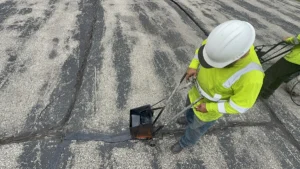
First, figure out what’s actually going wrong. The contractor looks at the existing pavement, subgrade, drainage, traffic demands, access, and surrounding infrastructure. Recurring potholes or drainage trouble can point to deeper pavement problems.
Our findings help narrow down the right approach, whether that calls for an overlay, asphalt milling and reclamation, or complete reconstruction.
2. Demolition, Excavation, and Asphalt Preparation
Next, crews mill or remove the existing pavement and excavate failed material where the project calls for it. This can uncover soft or unstable areas that need attention before paving begins.
What happens next depends on the conditions crews uncover. Base preparation must match the property and the demands the finished pavement will face.
3. Building and Grading the Base
With the site prepared, crews build and compact the aggregate base that supports and strengthens the pavement structure. Grading also gives water a clear path to the property’s drainage system instead of letting it collect and weaken the pavement. That’s especially important in Wisconsin, where repeated freezing and thawing can expose weaknesses below the surface.
4. Asphalt Laying and Compaction
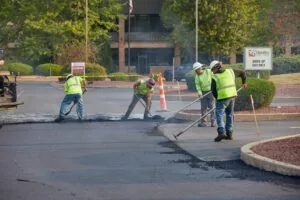
A paver installs the asphalt by spreading and shaping it, then rollers compact it while it remains workable. From there, the mix and project specifications guide how the asphalt is placed and rolled to reach the required density.
5. Joints, Edges, Final Inspection, and Site Reopening
Before anyone drives across the new pavement, the contractor performs a final inspection and completes any striping or other finishing work included in the project. Reopening time varies by project, so follow the contractor’s timeline rather than a universal rule online.
This is also a good time to discuss future maintenance, including when to consider sealcoating after your new asphalt cures.
What Separates a Quality Installation From a Poor One?
Once you know what goes into a quality pavement installation project, comparing paving proposals gets a little easier. A lower number may catch your eye first, but the scope tells you what you’re actually paying for.
Here’s what should be clear before you sign off on the work:
- A Scope Built Around the Existing Pavement: Resurfacing, reclamation, and reconstruction solve different problems. The proposal should connect the recommended approach to what the site evaluation actually uncovered.
- Defined Pavement Specifications: The proposal should spell out the base preparation, asphalt materials, pavement thickness, and other project requirements so you’re comparing actual scopes rather than two numbers at the bottom of a page.
- Drainage Addressed Early: Factor grading, runoff, catch basins, and known drainage issues into the plan before paving begins. Poor drainage can weaken the base and contribute to premature pavement failure.
- Traffic Reflected in the Design: Truck courts and loading areas put heavier demands on pavement than standard parking areas. Those expected loads should influence the project’s design.
- Phasing That Works Around the Property: The project schedule should account for deliveries, tenants or customers, and other day-to-day operations throughout construction so that you can remain accessible during the work.
- Quality Control From Paving Through Inspection: The contractor should check their work against the project specifications before the property returns to regular use.
What Affects Asphalt Installation Cost?
Asphalt installation cost can vary widely from one property to another because the price reflects much more than square footage. Existing pavement conditions, preparation needs, project access, pavement specifications, and current material costs can all increase the price tag.
Check what’s actually included before comparing the bottom line. PLM Paving’s asphalt calculator can give you an early estimate of material quantities, but a site-specific inspection gives you the most accurate estimate.
Questions to Ask an Asphalt Paving Contractor
Before you compare numbers and sign off on the work, be sure to ask:
- What did you find during the site evaluation?
- Why are you recommending this paving approach?
- How will grading and drainage be handled?
- How does the pavement design account for traffic on the property?
- How will access and deliveries be managed while work is underway?
- What’s included in the proposal, and what’s excluded?
- When can the pavement reopen to traffic?
Pay attention to how specific the answers are. A contractor who’s taken the time to understand the property should be able to walk you through the recommendation, what’s included, and how the work will play out once crews arrive.
Plan Your Commercial Asphalt Installation With PLM
By the time fresh asphalt goes down, the hardest decisions should already be behind you. A well-planned asphalt installation accounts for what’s under the pavement, how the property is used, and the conditions it’ll face once the crew leaves.
PLM Paving has spent more than 60 years serving commercial and industrial properties across Southeast Wisconsin with comprehensive paving, repair, and maintenance services. Bring us in early, and let’s instill confidence in your project that lasts long after the striping is fresh.
Call us today or request a site evaluation online.
FAQs
How long does an asphalt installation take?
It depends on the size of the property and how much work needs to happen before paving begins. Excavation, base repairs, drainage work, weather, and construction phasing can all affect the schedule. After evaluating the site, your contractor should be able to give you a realistic timeline.
Can new asphalt be installed over existing pavement?
Sometimes. An overlay can be a good option when the existing pavement and underlying structure are still in suitable condition. If recurring potholes, severe rutting, or drainage issues point to deeper failure, milling, reclamation, or reconstruction may make more sense than putting new asphalt over the problem.
When can traffic return to newly installed asphalt?
Your contractor should give you a reopening timeline specific to the project. The asphalt mix, weather, pavement design, and expected vehicle loads can all play a role, so don’t treat a generic number of hours as a rule of thumb.
What should an asphalt paving proposal include?
Your asphalt installation quote should include a clear scope of work, an explanation for each suggested line item, and a proposed schedule.